Why a Creative Business Card Still Matters in a Digital World
Walk into any networking event and you will see the same tired routine. Someone hands you a flimsy rectangle with a logo, a phone number, and a generic tagline. You glance at it, nod politely, and slip it into your pocket. By the time you get back to your desk, that card has already blended into a stack of others. Now imagine the opposite scenario. Someone hands you a creative business card that makes you pause. Maybe it has a unique texture, an unexpected shape, or a clever fold. You look at it twice. You show it to a colleague. You remember the person who gave it to you. That is the power of doing something different with a piece of cardstock that still carries surprising weight in an era obsessed with digital connections.
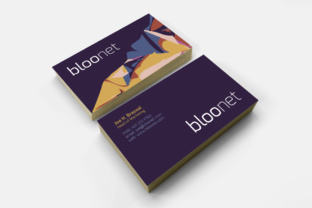
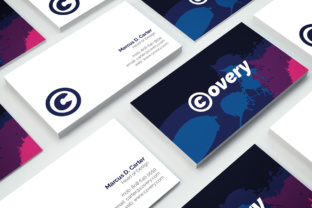
A creative business card is not simply a piece of paper with contact details. It is a physical ambassador for your brand. It says something about how you think, how you work, and what you value. In a world where LinkedIn profiles and email signatures feel interchangeable, a thoughtfully designed card can stop someone mid-conversation and create a lasting impression. The best ones do not just look good. They feel good in the hand, they spark curiosity, and they make the person on the receiving end want to hold onto them rather than toss them in a drawer.
The Qualities That Separate a Creative Business Card from an Ordinary One
Not every card needs to be a conversation starter, but the ones that succeed tend to share a few core qualities. Understanding these helps you decide what direction to take when designing your own.
Physical Presence and Material Choices
The first thing anyone notices about a creative business card is how it feels. Thick cotton stock, soft-touch laminate, metallic foil accents, or even wood veneer all communicate something different. A heavy card with rounded corners feels premium and deliberate. A card made from recycled seed paper tells a story about sustainability. The material you choose sets expectations before anyone reads a single word. Do not underestimate the role of weight and texture. A flimsy card feels cheap regardless of how beautiful the design is, while a substantial card signals that you take your work seriously.
Visual Hierarchy and Readability
Creativity should never come at the expense of clarity. The most memorable creative business card examples balance artistic flair with functional information. Your name, your role, and how someone can reach you need to be easy to find. If someone has to squint or rotate the card multiple times to find your email, the creativity has backfired. Use contrast, spacing, and size to guide the eye naturally. Let the creative elements frame the information rather than bury it.
Unexpected Interactions
Some of the best creative business cards include an element of surprise. A card that unfolds into a miniature brochure. One that has a QR code embossed in a way that catches light. A card with a removable sticker or a tiny die-cut shape that reveals part of the design underneath. These small interactions create a moment of delight. People remember how something made them feel, and a little surprise goes a long way in turning a contact into a connection.
How Creative Business Cards Fit into Modern Workflows
You might wonder whether physical cards still make sense when most networking happens through screens. The answer is yes, but the role has shifted. A creative business card today is less about providing contact information and more about creating a bridge between a real-world encounter and a digital follow-up. Many designers now include QR codes that link directly to a portfolio, a Calendly booking page, or a personalized landing page. This hybrid approach respects both the physical and digital sides of modern networking.
Consider a freelance graphic designer attending a local meetup. Handing someone a card that is itself a tiny piece of art immediately communicates skill level better than any verbal pitch. The recipient scans the QR code, lands on a well-curated portfolio page, and books a consultation before the week is out. That sequence only works because the physical card earned the trust and curiosity needed to prompt the digital action.
In industries like real estate, photography, event planning, and consulting, the creative business card functions as a leave-behind that keeps you top of mind. When a potential client sorts through a stack of contacts, the card with the foil-stamped edge or the clever fold gets pulled out first. It becomes a reference point that sparks recollection of the conversation you had.
Practical Benefits You Can Expect from Going Creative
Investing in a well-designed card yields returns that go beyond aesthetics. Here are several practical benefits that make the effort worthwhile.
- Higher retention rates. People keep creative business cards longer. They pin them to bulletin boards, prop them on desks, or tuck them into wallets as keepsakes. The longer your card stays visible, the more likely someone will reach out.
- Stronger brand recall. A card that stands out visually reinforces your brand identity. When someone sees your logo later, they will associate it with the positive experience of receiving a thoughtful object.
- Networking efficiency. A conversation starter built into your card reduces awkward small talk. The card itself gives people something to comment on, which makes introductions smoother.
- Professional differentiation. In competitive fields, every detail counts. A creative business card signals that you pay attention to quality and care about presentation.
- Word-of-mouth amplification. People show interesting cards to colleagues and friends. Your card effectively becomes a shareable object that extends your reach beyond the single handoff.
Important Considerations Before You Design Your Own
Jumping straight into the most elaborate design you can imagine might not be the right move. There are practical factors to weigh before committing to a specific concept.
Your Industry and Audience
A creative business card that works beautifully for a tattoo artist might feel out of place for a corporate lawyer. Consider the expectations of the people you hand your card to. Creative professionals, artists, and entrepreneurs generally have more freedom to experiment. If your industry leans conservative, subtle creativity like a unique paper stock or a refined foil detail can stand out without looking unprofessional. Know your audience and design accordingly.
Budget and Quantity
Unique materials and custom finishes cost more than standard digital printing. If you go through cards quickly, you need to balance impact with affordability. One practical approach is to order a smaller batch of premium creative business cards for key networking events and a larger batch of simpler cards for everyday use. This way you get the best of both worlds without overspending.
Functional Durability
A card that looks incredible but gets damaged after a day in a wallet defeats its purpose. Consider how the card will hold up over time. Lamination, thick stock, and protective coatings help. If your design involves intricate cutouts or fragile elements, test a prototype before ordering in bulk. You want people to remember your card for the right reasons.
Consistency with Your Digital Presence
The best creative business card feels like an extension of your overall brand. Use consistent colors, fonts, and tone of voice. If your website is minimalist and clean, a chaotic card design creates cognitive dissonance. The card should feel like a natural piece of your brand ecosystem, not a disconnected experiment.
Examples and Real-World Scenarios
Imagine a photographer who uses a card printed on matte black stock with a single foil-stamped image of a camera lens in the corner. The back includes a QR code that leads to a curated gallery. Clients who receive that card remember not just the name but the mood and quality implied by the design. That photographer gets calls months later from people who kept the card pinned to their corkboard.
Consider a marketing consultant who includes a tiny puzzle element on the card. A tab can be pulled to reveal a hidden message or a discount code for a first consultation. That small interactive moment turns a passive handoff into an engaging experience. People talk about it. They share it on social media. The card becomes a marketing asset rather than just a contact vehicle.
Then there is the architect who chooses a card that is actually a small folded model of a building. It takes effort to produce, but it lands with exactly the right audience. Potential clients see it and immediately understand the architect's attention to structure, detail, and innovation. The card itself becomes a portfolio piece.
Making the Decision That Works for You
There is no single formula for the perfect creative business card. The right choice depends on who you are, what you do, and who you want to reach. Start by asking yourself what you want someone to feel or remember after they walk away from you. Do you want them to think of you as bold, meticulous, playful, or trustworthy? Let that answer guide your material, shape, and design choices.
Test your ideas with a small circle of trusted colleagues before committing to a large print run. Their feedback might reveal something you overlooked, like a font that is hard to read or a color that does not reproduce well. Small refinements early on prevent bigger regrets later.
And remember that a card is only as good as the interaction that accompanies it. The most stunning card in the world cannot compensate for a forgettable handshake or a disinterested tone. Use the card as a tool to enhance your presence, not replace it. When the design, the conversation, and the follow-up all align, a simple piece of cardstock becomes something far more powerful than its weight suggests.
In the end, a creative business card remains one of the few tangible objects we still exchange in a digital-first world. It carries meaning, memory, and potential in a way that a screen often cannot. Whether you go bold with die-cut shapes and metallic inks or subtle with textured paper and minimalist layout, the effort you put into the card reflects the effort you put into your work. That alone makes it worth getting right.