Winter Quote Lettering for Beginners and Creatives
Winter quote lettering brings together the quiet beauty of cold months with the artistry of hand-drawn words. It is a creative practice that transforms short seasonal phrases into visually striking compositions using pens, brushes, or digital tools. Whether you are decorating a journal, designing social media content, or crafting products for a small shop, this style of lettering captures the atmosphere of winter in a way that plain fonts simply cannot.
Unlike standard typography, winter quote lettering emphasizes personal expression. Each letter curves and bends with intention, often reflecting frosty textures, soft snow, or the warm glow of indoor light. The result is artwork that feels both seasonal and deeply human. For many people, working with winter quotes becomes a calming ritual during darker months, a way to slow down and create something meaningful.
What Winter Quote Lettering Actually Means
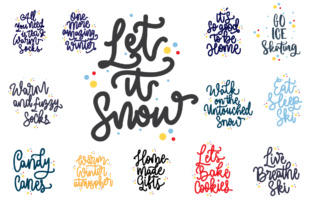
At its simplest, winter quote lettering is the practice of drawing letters by hand to form short quotes or phrases that evoke winter themes. The focus is on the visual appearance of the letters rather than speed or efficiency. You might write a single word like cozy or a longer line such as Let it snow with careful attention to spacing, thickness, and flourishes.
The medium can vary widely. Some people use brush pens on paper, others work with chalk markers on glass, and many create entirely digital pieces using tablets and styluses. What ties them together is the intention to make each letter feel like part of a larger seasonal mood. A winter quote lettering piece often includes subtle decorative elements like snowflakes, pine branches, or icicles drawn alongside the text.
This practice sits somewhere between calligraphy and modern hand lettering. Calligraphy typically follows strict rules about stroke order and pen angle, while winter quote lettering gives you more freedom. You can mix uppercase and lowercase, add shadows, or experiment with color gradients that suggest a winter sunrise or a moonlit night.
Why the Seasonal Focus Matters
Winter provides a rich set of visual and emotional cues. The contrast between cold outdoors and warm indoors, the stillness after a snowfall, and the anticipation of holidays all offer natural inspiration. When you pair these feelings with hand-lettered words, the result resonates more deeply than generic quotes. People connect with the season, and the lettering amplifies that connection.
For beginners, the seasonal theme also helps narrow down choices. Instead of wondering what to write, you can pull from a well of familiar winter phrases, song lyrics, or your own short reflections. This makes the starting point less intimidating and more enjoyable.
Who Finds Value in Winter Quote Lettering
The appeal of winter quote lettering cuts across different groups. Beginners appreciate how forgiving the practice can be. Unlike precise calligraphy, hand lettering allows for imperfections that add character. Casual users enjoy creating cards and gifts without needing advanced artistic skills. Creators and hobbyists use it to explore new techniques during winter months when indoor activities become more appealing.
Professionals such as graphic designers, illustrators, and content creators incorporate winter quote lettering into seasonal campaigns. A hand-lettered quote for a holiday promotion feels warmer and more authentic than a standard digital typeface. Small business owners selling printables, mugs, t-shirts, or home decor often find that winter lettering designs sell well because they tap into the shared experience of the season.
Educators and freelancers also benefit. Teachers use winter quote lettering for classroom decorations or bulletin boards. Freelancers add it to their portfolios as a way to show versatility and seasonal relevance. Bloggers and marketers use lettered quotes as shareable images that drive engagement on platforms like Instagram and Pinterest.
Practical Uses for Winter Quote Lettering
Once you start creating winter quote lettering, you will notice opportunities to apply it everywhere. One of the most common uses is in greeting cards. A hand-lettered Warm wishes or Happy holidays on the front of a card makes the message feel personal, even if you created multiple copies at once.
Another popular application is wall art. Whether you frame your lettering on paper or create a digital file for printing, winter quotes make affordable and meaningful home decoration. Phrases like Stay warm or The first snowfall become focal points in living rooms, entryways, or reading nooks.
Digital use is equally strong. Social media posts featuring winter quote lettering tend to perform well because they combine visual appeal with relatable text. You can create a series of quotes for the entire season and schedule them throughout December and January. This works especially well for brands that want to stay relevant without pushing products too heavily.
Small businesses can incorporate winter lettering into product packaging, stickers, labels, and even temporary tattoos. A hot cocoa mix sold in a pouch with hand-lettered Cozy up on the label feels more thoughtful than a generic design. The same applies to candles, soap, or any gift item that benefits from a seasonal touch.
- Greeting cards and gift tags
- Wall prints and framed decor
- Social media graphics and stories
- Product packaging and labels
- Bullet journal spreads and planners
- Classroom or office bulletin boards
- Branded content for winter campaigns
Using Winter Lettering in Digital Products
Digital products represent a growing area for winter quote lettering. Creators sell printable PDFs, Procreate brushes, and design templates that others can customize. If you develop a set of winter lettering styles, you can offer them as a font or as individual quote designs. This works well on platforms like Etsy, Gumroad, or Creative Market.
Marketers also use winter lettering in email headers, website banners, and lead magnets. A free downloadable wallpaper featuring hand-lettered winter quotes can grow an email list quickly when the design is attractive and seasonal. The key is authenticity. People can tell when a design was made with care versus when it was assembled from generic clip art.
Getting Started as a Beginner
If you are new to winter quote lettering, the best approach is to begin with simple tools and short phrases. A basic brush pen or even a fine-tipped marker will work. Paper with a smooth surface helps your strokes glide without feathering. You do not need a full set of supplies to start. One pen and one piece of paper are enough to try your first word.
Choose a winter word that feels meaningful to you. Words like frost, glow, hush, or ember are short and give you room to focus on each letter. Write the word slowly, paying attention to where you apply pressure. In hand lettering, pressing harder creates thicker lines, while lighter pressure produces thinner ones. This contrast is what gives lettering its dynamic look.
After you finish a few words, try combining them into a short quote. Snow falls softly or Warm inside are good options. Keep the composition simple at first. Center the words on the page or stack them vertically. Leave enough space around each letter so the piece feels balanced.
- Gather basic supplies: a brush pen and smooth paper
- Practice individual letters, focusing on pressure changes
- Write short winter words until you feel comfortable
- Combine words into a quote with basic composition
- Add one simple decoration like a snowflake or star
- Share your work or use it for a practical purpose
What to Keep in Mind as You Learn
Winter quote lettering rewards patience. Your first attempts may not look like the polished examples you see online, and that is completely normal. The goal is progress, not perfection. Each piece you create teaches you something about spacing, pressure, or composition. Over time, your consistency improves naturally.
One common mistake beginners make is trying too many styles at once. Stick with one lettering style for a few weeks before exploring others. This builds muscle memory and helps you develop a recognizable approach. You can always branch out later into script, serif, or decorative styles.
Another consideration is choosing the right winter quotes. Some phrases are overused, and while familiarity can be comforting, a slightly unique quote often stands out more. Instead of Let it snow every time, try Snow day state of mind or Warm layers and hot drinks. Your personal voice matters as much as your lettering technique.
Important Factors to Consider Before Deepening Your Practice
If you plan to use winter quote lettering for commercial purposes, be aware of copyright issues. Many popular winter quotes come from songs, books, or movies. Using them on products you sell may require permission or licensing. Stick with original phrases or quotes that are clearly in the public domain to avoid complications.
For digital creators, file resolution matters. If you design winter lettering for print, work at 300 DPI and use CMYK color mode. For digital use, RGB at 72 DPI is sufficient. Export your work in formats that preserve quality, such as PNG with transparent background for layered designs.
If you are a beginner, resist the urge to compare your work with experienced lettering artists. Social media often shows only the best results, not the hours of practice behind them. Focus on your own improvement and enjoy the process. The meditative aspect of lettering is one of its greatest benefits, especially during the busy winter season.
Finally, consider your audience. If you are creating winter quote lettering for clients or customers, think about what they value. Some people prefer minimalist designs with clean lines. Others enjoy ornate letters with decorative details. Testing a few styles and gathering feedback helps you refine your approach without guessing.
Winter quote lettering offers a fulfilling way to celebrate the season while developing a creative skill. Whether you are making cards for loved ones, designing products for your shop, or simply looking for a calming winter hobby, this practice fits naturally into colder months. Start small, stay consistent, and let the season guide your hand.