Striped and Scratched: Creative Inspiration
Striped and Scratched is more than a visual concept—it's a versatile framework for creative expression. Whether you're designing a logo, crafting a website layout, or developing a brand identity, the interplay of stripes and scratches offers endless possibilities. This combination can add texture, contrast, and depth to any project, making it a valuable tool for designers, marketers, and creators looking to stand out.
The appeal of Striped and Scratched lies in its simplicity and adaptability. Stripes bring structure and rhythm, while scratches introduce an element of spontaneity and raw energy. Together, they create a dynamic visual language that can be tailored to different styles, audiences, and platforms. Understanding how to use these elements effectively can elevate your work and make it more engaging.
Understanding the Elements
Stripes are linear patterns that can be horizontal, vertical, or diagonal. They provide a sense of order and movement, making them ideal for creating visual flow. Scratches, on the other hand, are irregular marks that suggest wear, age, or artistic expression. When combined, these elements can evoke a range of emotions and ideas—from modern minimalism to vintage aesthetics.
For example, a website with a striped background can guide the user’s eye through content, while subtle scratches might add a tactile quality to the design. In print media, Striped and Scratched can be used to differentiate sections, highlight key information, or create a unique branding identity.
Creative Applications
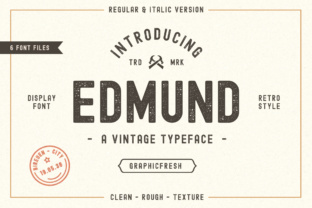
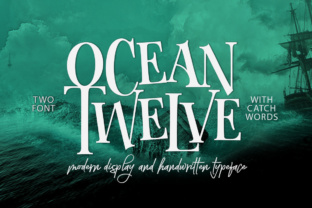
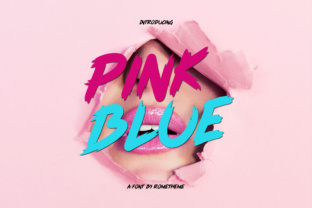
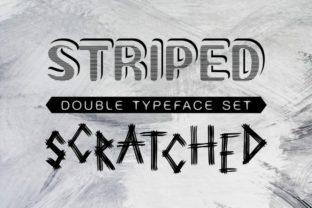
Designers often use Striped and Scratched in typography to add visual interest without overwhelming the reader. A bold striped font with scratched edges can make a headline stand out, especially in advertising or editorial layouts. This approach works well for brands targeting younger, trend-conscious audiences who appreciate a fresh, unconventional look.
In digital art, artists may layer stripes over scratched textures to create depth and dimension. This technique is popular in graphic design, where it can be used for posters, social media visuals, or app interfaces. The contrast between clean lines and rough textures adds complexity and makes the artwork more memorable.
Practical Use Cases
- Branding: A startup could use Striped and Scratched in their logo to convey innovation and authenticity.
- Marketing Materials: Brochures or flyers with striped backgrounds and scratched accents can catch attention and communicate a unique message.
- Web Design: Websites can incorporate subtle stripes and scratches to enhance user experience and visual appeal.
Adapting for Different Goals
Whether you're aiming for a minimalist look or a more chaotic aesthetic, Striped and Scratched can be adjusted to fit your needs. For a clean, professional appearance, use thin, evenly spaced stripes with light scratches. For a more edgy, experimental style, try thicker stripes and bolder, irregular scratches.
Consider the audience when applying these elements. A luxury brand might use refined, elegant stripes with delicate scratches to maintain sophistication. A streetwear label, on the other hand, could embrace bold, jagged stripes and heavy scratches to reflect a rebellious vibe.
Best Practices for Effective Results
To ensure clarity and consistency, start by defining the purpose of Striped and Scratched in your project. Are you using them for visual hierarchy, emotional impact, or brand differentiation? Once you have a clear goal, choose colors, sizes, and placements that support that intent.
Test different combinations to see what works best. Sometimes, a small amount of Striped and Scratched can have a bigger impact than an overload of elements. Balance is key—too much can distract, while too little may not achieve the desired effect.
Real-World Examples
Many successful brands have used Striped and Scratched creatively. A fashion retailer might feature striped patterns in their clothing designs, paired with scratched details on product tags or packaging. A tech company could use a sleek, striped interface with subtle scratches to give their app a modern yet approachable feel.
Even in everyday life, Striped and Scratched can be found in unexpected places. A coffee shop with a striped wall and scratched furniture creates a cozy, inviting atmosphere. A book cover with a striped spine and a scratched front cover can draw readers in with its unique visual identity.
Conclusion
Striped and Scratched offer a powerful way to enhance creativity across various fields. By understanding how to use these elements thoughtfully, you can create designs that are both visually compelling and functionally effective. Whether you're a designer, marketer, or hobbyist, experimenting with Striped and Scratched can lead to fresh ideas and new perspectives.
Embrace the balance between structure and spontaneity, and let Striped and Scratched inspire your next project. With careful application, this combination can transform your work and leave a lasting impression on your audience.