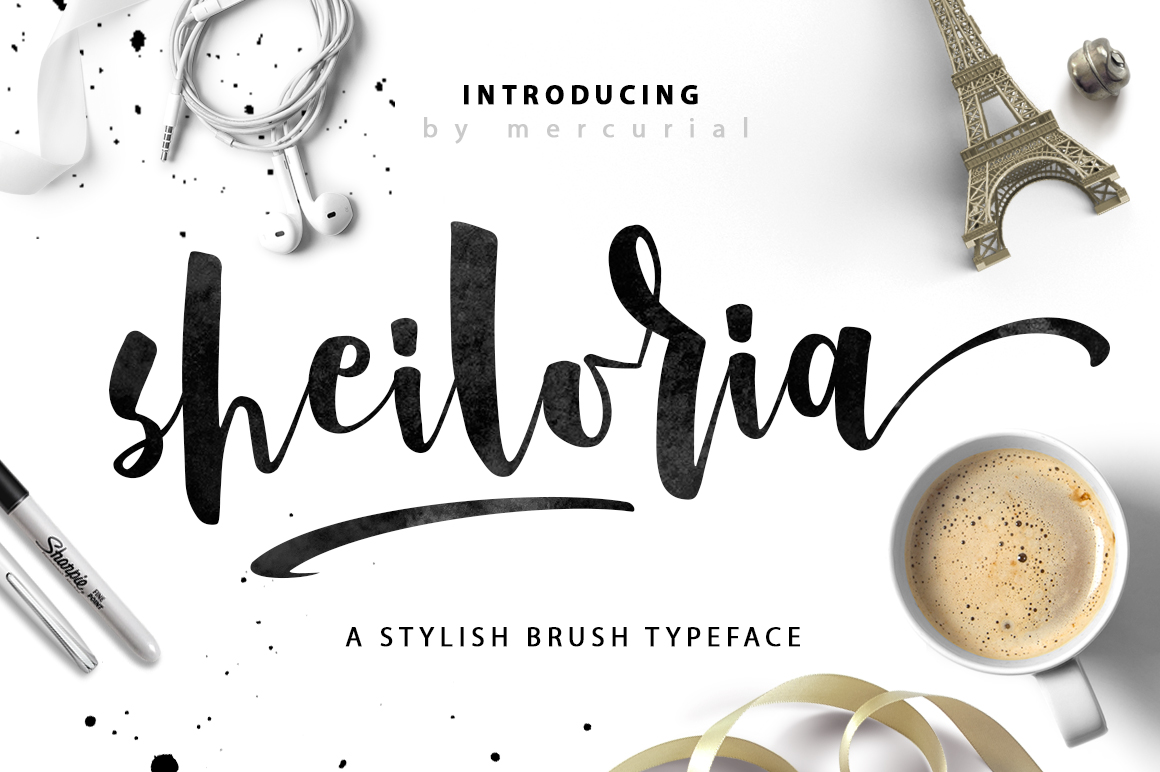
Sheiloria
You sit down to tackle your to-do list, and instead of getting started, you spend twenty minutes bouncing between four different apps, a notebook, and a chat thread. Sound familiar? That friction between intention and action is exactly where Sheiloria steps in. It is not just another tool you add to your stack; it is a workspace designed to pull everything you need into one fluid environment. Whether you are drafting a blog post, managing client projects, or planning a weekend workshop, Sheiloria aims to reduce that overhead so you can focus on the work that actually matters.
At its core, Sheiloria combines lightweight project management with flexible content creation. Think of it as a hybrid between a digital whiteboard and a structured folder system, but without the rigidity of either. You can drop in notes, assign tasks, link documents, and even embed media directly into a flow that feels more like thinking than filing. For anyone who has ever felt like their tools dictate how they work rather than the other way around, Sheiloria offers a shift toward a more natural rhythm.
Where and When People Reach for Sheiloria
The real power of Sheiloria shows up in the small moments of your day. Imagine you are a freelance graphic designer juggling three client revisions. You open Sheiloria and see a board where each client has a column. Inside each column are briefs, reference images, and checklists for deliverables. You can drag a revision note from one column to another as it progresses, and your client gets a quick update without a separate email. This is not about fancy automation; it is about keeping context attached to the work so you do not have to reinvent the story every time you switch tasks.
For the early morning planner, Sheiloria becomes a morning dashboard. You might set up a weekly view with tiles for writing, admin, and outreach. Instead of opening five tabs to see what needs attention, you scan one space. Marketers use similar setups to track campaign assets across social, email, and blog channels. The key is that Sheiloria adapts to how you naturally categorize, not forcing you into a predefined template.
Evenings often bring a different kind of use: reflection and organization. A hobbyist photographer might use Sheiloria to log shoots, edit notes, and curate final selections. A small business owner might review the week’s customer feedback and move items from “follow-up” to “resolved” while watching a show. The platform feels equally at home on desktop and mobile, so those quick touch-ups happen wherever you are.
For Creators and Bloggers
Content planning can feel like herding cats. Ideas come at random times, research piles up, and scheduling often lives in a separate calendar. Sheiloria lets you capture an idea as a card, attach relevant links or images, and then later drag it into a content calendar view. You can layer in notes about tone, target keywords, or collaboration partners. When it is time to write, you already have a mini brief waiting. One blogger I know uses Sheiloria to track drafts across three different niches, color-coding by category. She says it cut her prep time by almost an hour each week because she no longer searches for scraps of inspiration.
For Entrepreneurs and Small Business Owners
Running a business means wearing many hats, often within the same hour. Sheiloria helps separate those hats visually. You might have a board for product development, another for customer support, and a third for marketing. Each board holds the specific tasks, documents, and notes relevant to that area. When a customer issue arises, you quickly check the support board, see the history, and update the status. The benefit is not just organization; it is clarity. You see at a glance which area needs attention today without scanning emails, spreadsheets, and sticky notes. For a solo consultant, Sheiloria replaced three different subscription services, saving money and mental energy.
For Educators and Trainers
Teachers and workshop facilitators often deal with lesson plans, resources, student notes, and schedules. Sheiloria can hold all of that in a single course board. Each module becomes a column with lesson objectives, handouts, and to-do items. During a live workshop, the facilitator can project their Sheiloria board and navigate through materials seamlessly. One university lecturer uses it to keep a running log of student questions and feedback, then revisits those notes to improve the next semester’s content. The flexibility means you are not locked into a rigid learning management system; you shape the space around your teaching style.
For Freelancers and Independent Professionals
Freelancers thrive on autonomy but struggle with isolation and scattered workflows. Sheiloria offers a centralized hub where you can track multiple projects, deadlines, and invoices in one view. A freelance writer might set up a board with columns for pitch, draft, edit, and published. Each card holds the assignment brief, client contact info, and revision notes. When a new assignment comes in, they add a card and move it through the pipeline. Over time, they see how many projects move through each stage, helping them estimate future workload more accurately. The transparency reduces the anxiety of “did I miss something?”
For Teams and Small Departments
Even if you are part of a small team, Sheiloria scales well without feeling corporate. A marketing team of three can share a board for content production. Each person owns their cards, but everyone sees the overall progress. They add comments directly on cards, avoiding long email threads. Because the platform is built around shared context, new members can review past projects and understand the team’s workflow quickly. The sense of shared ownership keeps everyone aligned without micromanagement.
What Users Should Consider Before Diving In
Sheiloria is flexible, but that flexibility requires a bit of upfront thinking. Jumping in without a structure can lead to a chaotic board that mirrors your cluttered desktop. Spend fifteen minutes sketching how you naturally group tasks or content. Do you think in projects, clients, or themes? Start with one board that reflects that instinct. You can always reorganize later, but an initial framework helps the tool feel supportive rather than overwhelming.
Another consideration is how often you collaborate. If most of your work is solo, you might lean on Sheiloria’s personal organization features heavily. If you work with others, check how permissions and sharing work. Some users prefer to keep personal boards private and only share specific boards with collaborators. The platform allows that separation, but it is wise to plan boundaries early to avoid mixing up personal notes with client work.
Also think about integration. Sheiloria may not connect directly with every external service you use. If you rely on a specific calendar, email, or file storage system, consider whether you want to manually move data or if the tool supports imports. Many users find that they reduce reliance on other apps anyway, because they consolidate work into Sheiloria, so the integration issue becomes less painful over time.
Lastly, consider your long-term needs. Sheiloria evolves, so if you start small, you can grow into advanced features like templates, tags, and board linking. Avoid overcomplicating from day one. Let the tool adapt to your workflow organically. The best results come from users who treat Sheiloria as a living space they refine each week rather than a one-time setup.
In a world full of productivity tools that promise simplicity but deliver complexity, Sheiloria stands out because it does not force a method on you. It invites you to bring your own. For creators, entrepreneurs, educators, and anyone who manages multiple threads of work or life, it offers a central place where thinking and doing feel more connected. The real outcome is not just more organized tasks; it is a calmer, more intentional way of working that leaves you free to focus on what you actually want to build.