Luria Logo Template: A Practical Approach to Modern Brand Identity
A logo is often the first impression a business or creator makes. But for many, the process of designing one feels either expensive or overwhelming. Enter the Luria Logo Template. Rather than starting from a blank canvas, this template offers a structured yet flexible foundation that adapts to a wide range of industries and personal styles. It is not about cutting corners or generic solutions. It is about giving professionals, entrepreneurs, and hobbyists a starting point that balances efficiency with creative expression.
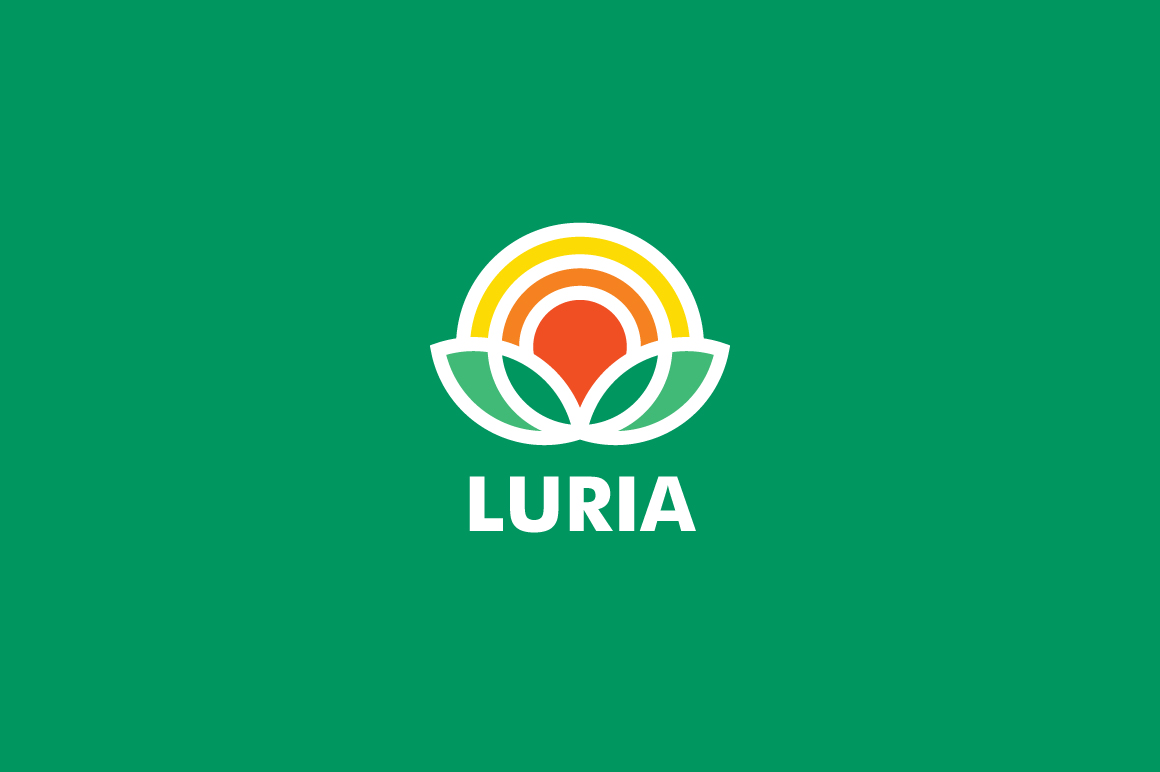
The relevance of such a template goes beyond convenience. In a world where visual communication is increasingly compressed—thumbnails, social media avatars, and mobile-first interfaces—a logo must work harder than ever. It needs to be clear at small sizes, recognizable in monochrome, and flexible enough to work across digital and physical mediums. The Luria Logo Template addresses these needs by emphasizing scalability and simplicity without sacrificing personality.
Why Logo Templates Are Gaining Attention
Several trends are converging that make logo templates like Luria more attractive than they were a few years ago. First, the rise of the solo entrepreneur and the side hustle means that more people are building brands on modest budgets. A custom design agency might charge several thousand dollars for a logo package. A template offers a professional look at a fraction of the cost, often with enough flexibility to make the result feel unique.
Second, the tools for customizing templates have become much more accessible. Software like Adobe Illustrator, Affinity Designer, and even Canva allow users to adjust colors, typography, and layout with relative ease. The Luria Logo Template takes advantage of these capabilities by providing well-organized layers and clear instructions, so even a user with basic design software skills can produce a polished result.
Third, there is a growing appreciation for minimalism in branding. The most memorable logos today are often simple. They rely on clean shapes, balanced proportions, and thoughtful negative space. The Luria Logo Template aligns with this philosophy. It does not overwhelm the user with unnecessary decorative elements. Instead, it provides a strong silhouette and a logical structure that can be customized without breaking the core visual integrity.
How the Template Fits into Changing Workflows
Modern work habits demand speed and agility. A freelancer might need a logo ready for a proposal by the end of the day. A small business owner might be preparing for a weekend market and wants a consistent look across banners, business cards, and an Instagram profile. The Luria Logo Template shortens the time between concept and final asset. Instead of iterating through dozens of sketches, the user starts with a proven layout and then focuses on the details that matter: color meaning, font pairing, and subtle shape adjustments.
This shift from creation to curation is not limited to logo design. Across creative fields, templates for websites, social media posts, and presentations have become standard tools. They allow professionals to maintain high quality while spending less time on repetitive layout decisions. The Luria Logo Template applies this same principle to the most central piece of brand identity.
Entrepreneurs and Small Business Owners
For someone launching a new business, the logo is often the first investment in brand identity. But capital is tight, and every dollar counts. The Luria Logo Template offers a way to get a credible, versatile logo without hiring a designer immediately. This does not mean the final product looks amateur. Many template users report that their clients and customers assume the logo was professionally designed.
Practical recommendation: When customizing the template, spend time choosing colors that reflect your industry and personality. A wellness brand might lean toward earthy tones; a tech startup might prefer blues or grays. The template itself is neutral enough to accommodate either direction. Also, test the logo in black and white to ensure it retains its impact without color.
Freelancers and Creatives
Freelancers often need to present a polished image while juggling multiple projects. The Luria Logo Template can serve as a starting point for building a personal brand, but it can also be a tool for offering affordable branding packages to clients. By using the template as a base, a freelancer can deliver a high-quality logo in a fraction of the time normally required, while still offering customization that makes it unique to the client.
A realistic example: A freelance social media manager might use the template to create logos for small local businesses, charging a flat fee that covers two rounds of revisions. The template's structure makes it easy to swap out icons, adjust proportions, and test different font combinations without starting from scratch each time.
Educators and Nonprofits
Organizations with limited budgets often struggle with brand consistency. A school club, a community foundation, or a hobbyist group can use the Luria Logo Template to establish a visual identity that looks intentional. The template's clean lines work well for printed materials like flyers and banners, and its digital adaptability means it can be resized for email signatures and social media headers without losing clarity.
Observation: Many educational groups end up with logos that are too complex for small screens or that rely on subjective elements that don't translate to black-and-white printing. The Luria Logo Template avoids these pitfalls by offering a design that prioritizes legibility and functional simplicity.
How the Luria Logo Template Has Evolved
Logo templates are not new, but earlier versions were often rigid. They forced the user into a specific style or industry niche. The Luria Logo Template represents a newer wave of design resources. It combines a modular structure with aesthetic neutrality. This means it can be used for a coffee shop, a photography portfolio, a consulting firm, or a yoga studio, with only modest changes to color and typography.
Another evolution is the inclusion of multiple file formats. Modern templates often ship with AI, EPS, SVG, and PNG versions. This variety ensures the logo works in print and digital environments, which is no longer optional—it is a baseline expectation. The Luria Logo Template typically includes these formats, making it a practical choice for users who may not yet understand the difference between vector and raster files.
What Users Should Look For
When selecting a template, several factors matter beyond the initial visual appeal. First, does the template allow easy customization of colors? Some templates use complex gradients or layered effects that are hard to adjust without deep software knowledge. The Luria Logo Template tends to use flat colors or simple gradients, making it forgiving for beginners. Second, are the fonts included or easily identifiable? Being able to purchase or download the exact font is crucial for consistency. Third, is the icon or symbol separate from the text? A template that merges these elements limits flexibility. The best templates keep the symbol, logotype, and tagline as independent objects, and Luria is designed with this modularity in mind.
Practical Tips for Making the Most of the Template
- Start with black and white. Before deciding on colors, check that the logo works without them. This ensures the shape and spacing are balanced. The Luria Logo Template generally has a strong silhouette that holds up well in monochrome.
- Customize the icon thoughtfully. Even if the template provides a generic icon, try to modify it to fit your niche. For example, if the icon is a circle, consider whether a subtle cut-out or line variation could represent your product or service.
- Pay attention to kerning. Many templates come with default spacing that might be too tight or too loose for your chosen font. Adjust the space between letters manually for a more professional finish.
- Test on real backgrounds. Place the logo on a dark background, a light background, and over an image. The Luria Logo Template's simplicity usually means it scores well on contrast, but testing prevents surprises during actual use.
- Create a brand guide early. Once you finalize the logo, note down the exact colors (hex codes), font names, and spacing rules. This consistency will help across all future materials.
The Bigger Picture: Why Templates Are Here to Stay
The conversation around logo templates sometimes carries a stigma—a belief that using a template is somehow less authentic than a fully custom design. But that view overlooks how much of professional design today relies on systems and components. A template is a framework, not a finished product. The final logo's quality depends on the user's choices within that framework. A well-designed template like Luria provides a solid foundation without dictating the result. It respects the user's taste and context, while removing the most intimidating step of starting from a blank screen.
Moreover, the economic and cultural landscape favors accessible tools. As more people participate in the creator economy, the demand for affordable, high-quality branding resources will only grow. The Luria Logo Template fits into this shift by lowering the barrier to entry for professional-looking identity. It does not replace the need for thoughtful brand strategy—such as understanding your audience or defining your mission. But it does solve the practical problem of creating a visual mark that communicates those ideas clearly.
Final observation: The best use of a logo template is as a partner in the design process, not a shortcut. Spend time with the template, try variations, and let it guide you toward a logo that feels both personal and professional. The Luria Logo Template offers a balance that many users find especially effective for modern branding needs. Whether you are building a new venture, refreshing an existing brand, or experimenting with visual identity, starting with a solid template can make the entire experience more productive and less stressful.