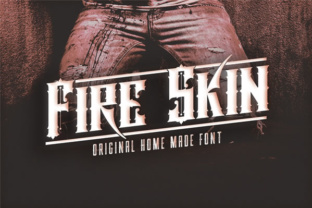
Fire Skin: A Practical Guide to Its Purpose and Everyday Use
If you have come across the term Fire Skin in creative or digital circles, you might be wondering what it actually refers to and whether it has a place in your own work or hobbies. The name itself suggests something bold, dynamic, and perhaps even transformative. In practice, Fire Skin is a concept or product that revolves around applying vibrant, flame-inspired aesthetics to digital or physical surfaces. It is often used in design, branding, gaming, and content creation to convey energy, warmth, intensity, or movement. But beyond the visual appeal, Fire Skin can serve real functional and emotional purposes for a wide range of users.
Understanding Fire Skin in Simple Terms
At its core, Fire Skin is about giving something a fiery look and feel. This could mean a set of design templates, a software theme, a texture pack, or even a physical coating that mimics the appearance of flames, embers, or glowing heat. The "skin" part of the name refers to a layer that changes how something appears without altering its underlying structure. Think of it like a protective or decorative cover that transforms the surface into something visually striking.
For example, a graphic designer might use a Fire Skin overlay on a website header to create a sense of urgency or excitement. A gamer might apply a Fire Skin to a weapon or avatar in a video game to signal power or skill. A small business owner could use a Fire Skin-themed logo or product label to stand out on a shelf or social media feed. In each case, the skin adds a layer of meaning and visual interest that the original surface lacked.
Who Might Be Interested in Fire Skin and Why
Fire Skin appeals to a surprisingly broad audience. Beginners who are just exploring design often find it an easy way to add professional-looking effects without needing advanced skills. Casual users might enjoy personalizing their devices or digital spaces with something that feels unique and expressive. For creators and professionals, Fire Skin can be a tool for storytelling—using color and texture to evoke specific emotions or reactions from an audience.
Entrepreneurs and small business owners may turn to Fire Skin when they need to refresh their brand image or launch a campaign that demands attention. Marketers often use fiery aesthetics to promote sales, events, or products that are bold and high-energy. Educators and freelancers might use Fire Skin in presentations or portfolios to make their work memorable. Even hobbyists who enjoy customizing their gear or digital environments find value in having a simple, effective way to make things look exciting.
Practical Benefits and Value of Fire Skin
One of the main reasons people choose Fire Skin is its ability to communicate without words. The human eye is naturally drawn to warm colors like red, orange, and yellow. When these are arranged in patterns that suggest flames or heat, the visual impact is immediate. This can be useful for grabbing attention in crowded spaces, whether that is a website, a product display, or a social media post.
Another benefit is versatility. Fire Skin can be adapted to many formats and contexts. It works equally well in digital environments, such as app interfaces, video overlays, and game assets, as it does in physical applications like printed materials, packaging, or even fashion and accessories. This flexibility means that once you understand the basic principles, you can apply them across multiple projects without starting from scratch each time.
Fire Skin also offers a sense of cohesion. When used consistently across a brand or personal project, it creates a recognizable visual language. People begin to associate the fiery look with your work, which can build trust and recognition over time. For freelancers and creators, this can be a subtle but powerful way to establish a signature style.
Common Use Cases Across Personal, Creative, and Professional Contexts
- Personal projects: Customizing phone wallpapers, laptop skins, or social media profiles with a fiery theme to express personality or mood.
- Creative work: Using Fire Skin elements in digital art, video thumbnails, or streaming overlays to add drama and energy. Many streamers and content creators use flame motifs to signal high-energy content or special events.
- Professional branding: Incorporating Fire Skin into logos, business cards, or website design for companies in industries like fitness, entertainment, automotive, or food. A gym might use it to convey intensity, while a hot sauce brand could use it to hint at spice.
- Educational materials: Adding Fire Skin visuals to presentations or infographics to highlight key points or create a sense of progression. Teachers and trainers often use color to guide attention, and fiery tones work well for emphasizing important data.
- Commercial products: Applying Fire Skin to product packaging, labels, or promotional merchandise to increase shelf appeal. Small businesses selling limited-edition items often use seasonal or event-based skins to create urgency.
- Digital platforms: Using Fire Skin themes in apps, websites, or software interfaces to improve user experience and engagement. A gaming app might offer Fire Skin as a reward or purchase option to keep users invested.
What to Consider Before Choosing or Applying Fire Skin
While Fire Skin can be a powerful asset, it is not always the right choice for every situation. One important factor is audience perception. Fiery designs can be exciting, but they can also feel aggressive or overwhelming if used too heavily. It helps to test your skin on a small group or in a low-stakes environment before committing to a full rollout.
Another consideration is context. A Fire Skin that looks stunning on a gaming interface might feel out of place on a medical website or a legal document. Think about the emotional tone you want to set and whether a fiery aesthetic aligns with your message. Sometimes a subtle hint of flame works better than a full-blown inferno.
Technical compatibility also matters. If you are using a Fire Skin in a digital product, make sure it works across different devices, screen sizes, and operating systems. Some skins may look great on a high-resolution monitor but lose detail on a mobile screen. Similarly, physical applications like printed materials or custom coatings require attention to material quality and durability.
Cost and time are practical concerns as well. Some Fire Skin products are free or low-cost, while others may require a subscription or a one-time purchase. Custom designs or professional-grade skins can involve more investment. Decide ahead of time how much you are willing to allocate and whether the return in terms of engagement, sales, or personal satisfaction justifies the expense.
Getting Started with Fire Skin
If you are new to Fire Skin, the best approach is to start small. Look for free or trial versions of skins that align with your interests. Experiment with applying them to a single project or platform first. Pay attention to how people react and how the skin makes you feel when you use it. Over time, you will develop a sense of when and where Fire Skin adds real value.
Many online communities and marketplaces offer Fire Skin resources, from templates and tutorials to full design packs. Engaging with these communities can help you learn best practices and discover new ideas. You can also create your own Fire Skin if you have basic graphic design skills, using tools like Photoshop, Canva, or free vector editors. The key is to focus on the elements that matter most: color harmony, texture, and the emotional message you want to send.
Final Thoughts on Fire Skin as a Practical Tool
Fire Skin is more than just a flashy surface treatment. When used thoughtfully, it becomes a means of communication, a way to stand out, and a tool for creating connection. Whether you are a beginner looking to personalize your digital space, a creator aiming to captivate an audience, or a business owner seeking to energize your brand, Fire Skin offers a straightforward path to achieving those goals.
The best uses of Fire Skin come from intention, not impulse. By understanding what it can do and where it fits best, you can make choices that enhance your work without overpowering it. And as you gain experience, you will likely find new and creative ways to apply its warmth and energy to projects you care about.