Eggshell Mosaic in Graphic Design
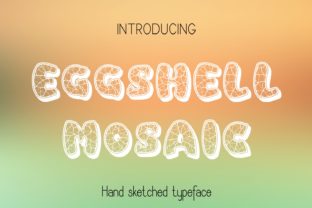
Imagine a surface that feels both delicate and structured, where fine cracks form an intricate network of visual interest—this is the essence of Eggshell Mosaic, a technique finding powerful new relevance in contemporary graphic design. For professionals exploring creative assets, this approach mimics the natural fracturing of eggshells, creating a textured, fragmented aesthetic that stands in stark contrast to overly smooth digital perfection.
In an era dominated by AI-generated imagery, organic imperfection has become a powerful differentiator in branding and brand identity. Eggshell Mosaic introduces a unique visual hierarchy, drawing the eye into its crevices and contours. It communicates craftsmanship and authenticity—qualities that resonate deeply in digital marketing and visual communication. When used thoughtfully, it elevates professional presentation, signaling that a brand values narrative over mass-produced slickness.
Practical Applications Across Creative Disciplines
The versatility of Eggshell Mosaic spans numerous creative projects. In social media graphics, it provides a distinctive backdrop that makes typography pop. Editorial design benefits from its ability to break up text-heavy layouts, while packaging design gains a premium, handcrafted feel.
- Branding & Logo Design: Integrate subtle textures into negative space or as a background element to suggest organic origins and meticulous attention to detail.
- Web & UI/UX Design: Use the texture sparingly in hero sections or hover states to add sensory depth without compromising load times or user experience.
- Print & Packaging Design: Simulate tactile experiences on business cards or premium boxes to surprise clients and reinforce a luxury aesthetic.
- Advertising Campaigns: Leverage strong visual metaphors around fragility, breakthrough, or transformation to create memorable ad concepts.
Integrating Eggshell Mosaic into Your Workflow
Successful integration requires balance. Eggshell textures are intricate by nature, so they must be paired carefully with other visual elements to enhance rather than overwhelm your overall composition.
Typography and Readability. Pair this texture with clean, bold typography. Sans-serif typefaces with generous letter-spacing often work best, while delicate scripts can get lost in the fine details. Always prioritize legibility—let the texture support your message, not obscure it.
Color Palette and Contrast. Natural eggshell tones offer a neutral base, but don't hesitate to tint the texture digitally. A deep indigo or blush pink version can align perfectly with modern aesthetics and existing brand guidelines. High contrast creates striking visual impact and ensures scalability across different media.
Consistency and Scalability. A texture that looks stunning on a large poster might become muddy on a small social media avatar. Always test designs at various sizes to ensure the visual hierarchy holds. In web design, optimize assets using CSS techniques to maintain the look while ensuring fast load times. Consider your audience—Eggshell Mosaic excels in organic, luxury, artisanal, and editorial contexts, but may feel out of place in corporate tech without intentional juxtaposition.
Ultimately, the power of Eggshell Mosaic lies in its ability to bridge the digital and physical realms. In a design landscape often criticized for being impersonal, this element of deliberate imperfection creates warmth and genuine engagement. Whether you are refining a brand identity, crafting social media content, or developing packaging, the thoughtful application of textured, organic elements can transform standard visuals into compelling stories. It reminds us that the most effective visual design often emerges from looking closely at the world around us, finding beauty in the cracks, and using them to build something truly memorable.