Days Filled with Memories, Flowers, and Friendship
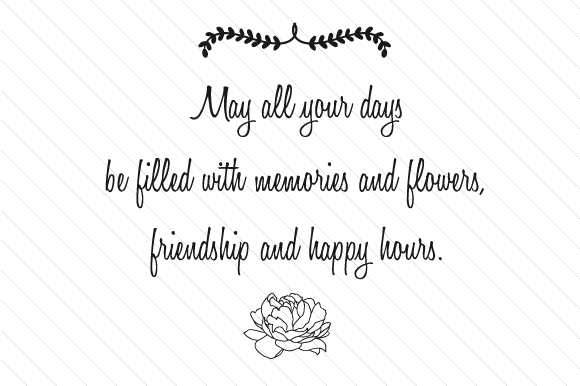
There is something quietly powerful about the wish that every day hold memories, flowers, friendship, and happy hours. It is a sentiment that speaks to what many of us truly want but rarely pause to name: a life rich with connection, beauty, and meaning. The phrase May all your days be filled with memories and flowers, friendship and happy hours may sound like a greeting card line at first glance, but it actually reflects a framework for living well. It invites us to consider what we are filling our days with and whether those elements sustain us.
This article explores what that wish really means, why it resonates across generations, and how you can bring its spirit into your own daily life—whether you are a creative professional, a small business owner, a blogger, an educator, or simply someone looking for more warmth in everyday moments.
What This Sentiment Really Means
At its heart, the blessing of May all your days be filled with memories and flowers, friendship and happy hours is about intentional living. It does not promise wealth, status, or perfection. Instead, it focuses on four pillars that research and human experience consistently link to well-being: recollection, beauty, connection, and joy.
- Memories are the stories we carry. They anchor us, teach us, and give us a sense of continuity. A life rich in memories is one where we pay attention.
- Flowers represent beauty, nature, and the small pleasures that lift the ordinary into something memorable. They remind us to notice what is lovely.
- Friendship is the relational glue that supports us through change. It is not about having many acquaintances, but about cultivating genuine mutual care.
- Happy hours are not limited to a drink after work. They are any stretch of time where you feel light, present, and grateful.
When these four elements are present, days feel full without being busy. The phrase becomes a gentle guide for evaluating what matters.
Why This Idea Appeals Across Audiences
Adults aged twenty to fifty often find themselves balancing competing demands: career growth, family responsibilities, creative projects, financial goals, and personal health. In the middle of that balancing act, the simple wish for memories, flowers, friendship, and happy hours can feel like permission to slow down. It meets several common needs:
- Clarity: It offers a simple metric for deciding how to spend time. Will this activity create a memory? Deepen a friendship? Bring a moment of beauty or joy?
- Connection: In an increasingly digital world, people crave authentic relationships. This sentiment centers friendship as a daily priority, not an afterthought.
- Creativity: Bloggers, makers, and marketers can use the concept as a theme for content, products, or campaigns that feel personal and warm rather than promotional.
- Resilience: Memories and friendship provide comfort during hard times. Having a bank of good moments and supportive people makes life’s challenges more manageable.
The phrase is not about escaping responsibilities. It is about weaving small, meaningful elements into whatever your daily life looks like—whether you are running a business, raising children, teaching students, or building a freelance career.
Practical Ways to Bring This Spirit Into Your Life
You do not need to wait for a special occasion to act on the idea behind May all your days be filled with memories and flowers, friendship and happy hours. Here are realistic ways to apply it across different contexts.
Personal and Creative Use
If you are a creator or hobbyist, consider using the sentiment as a creative prompt. Journal about a memory that still makes you smile. Arrange a small bouquet from your garden or a local market just because it is Wednesday. Write a letter to an old friend instead of sending a quick text. These small acts build a life that feels designed rather than reactive.
For bloggers and content creators, the theme can inspire a series: a photo collection of flowers you encounter each week, a list of books that explore friendship, or short essays about the happy hours you create for yourself. The key is to keep it personal and avoid forcing it into a formula.
Social and Community Contexts
Educators and group leaders can use the idea to foster connection. Start a meeting by asking each person to share one good memory from the past week. Organize a simple flower-arranging session where the goal is not perfection but shared time. Host a happy hour that is genuinely about conversation rather than networking. The structure is flexible, but the intention stays the same: create space for genuine interaction.
For small business owners, this sentiment can shape customer experience in subtle but powerful ways. A bakery could include a handwritten note with each order. A boutique could arrange its space to feel welcoming rather than transactional. A service provider could follow up not to sell, but to check in. These gestures build loyalty because they treat people as friends, not transactions.
Digital and Commercial Contexts
Marketers and entrepreneurs can incorporate the sentiment into branding without being overt. A social media campaign that highlights customer stories and friendships behind the brand feels more authentic than polished ads. An email newsletter that shares personal reflections and practical joy—rather than just promotions—builds a community around shared values.
Even product design can reflect the idea. Consider packaging that doubles as a small gift, or a service that includes a moment of delight, like a free flower with a purchase. The goal is to make the customer feel that their day has been touched by thoughtfulness.
Professional and Educational Settings
Freelancers and remote workers often miss the spontaneous connection of an office. You can recreate some of that by scheduling virtual coworking sessions where the main purpose is shared presence, not productivity. Or start a small group that meets monthly to share something beautiful—a poem, a photograph, a piece of music—and discuss why it matters.
In educational settings, teachers can use the framework to build classroom culture. Begin each week with a memory share, display fresh flowers in the room, and encourage students to celebrate small wins together. The environment becomes one where learning happens alongside human connection.
What to Consider Before Embracing This Approach
As warm as this idea sounds, applying it thoughtfully requires some awareness. Here are a few things to keep in mind.
- Authenticity matters more than aesthetics. The goal is not to create picture-perfect moments for social media. It is to genuinely invest in relationships and experiences that matter. If you feel pressure to perform the sentiment, pause and ask what would feel true to you.
- Not every day will feel full of flowers and friendship—and that is okay. Life includes grief, conflict, and mundane tasks. The wish is an ideal, not a demand. Let it be a gentle compass rather than a measure of failure.
- Friendship requires maintenance. It is easy to appreciate the idea of friendship in theory, but real relationships ask for time, patience, and vulnerability. Be prepared to show up even when it is inconvenient.
- Small gestures accumulate. You do not need grand plans. A five-minute phone call, a single flower on a desk, a few lines in a journal—these tiny acts build the kind of life the sentiment describes.
- Adapt it to your context. A busy parent, a solopreneur, and a retiree will each express this wish differently. Honor your own circumstances instead of comparing your expression to someone else's.
Taking time to reflect on what memories, flowers, friendship, and happy hours mean to you personally will make your actions more genuine and sustainable.
How to Start Today Without Overthinking
If you are reading this and feel drawn to the idea but unsure where to begin, start with one small choice. Send a text to a friend you have not spoken with in a while. Buy a small bunch of flowers on your next grocery run. Write down one memory from this week that you want to keep. Set aside thirty minutes this weekend for absolutely nothing productive—just time to be present.
The sentiment behind May all your days be filled with memories and flowers, friendship and happy hours is not a checklist. It is an invitation. You can accept it on your own terms, at your own pace, in your own way. The value is not in perfectly executing a plan, but in remembering that your days are yours to fill with what matters most.
Whether you share the phrase on a card, apply it to your work, or quietly keep it as a personal reminder, it holds the potential to shift your focus from what you lack to what you already have—and to what you can create, one small moment at a time.