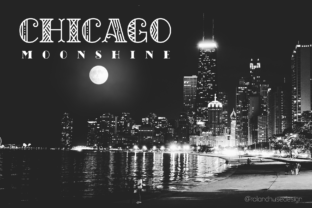
Chicago Moonshine: A History of Rebellion, Flavor, and Legacy
Chicago moonshine is more than just a type of alcohol—it’s a symbol of rebellion, craftsmanship, and the enduring human spirit. While the term “moonshine” often brings to mind images of hidden stills and bootleggers in the 1920s, its roots run deep in American history, particularly in cities like Chicago. This article explores the origins, evolution, and cultural significance of Chicago moonshine, offering insights into how it shaped the city and continues to influence modern culture.
The Origins of Moonshine in Chicago
During the Prohibition era (1920–1933), when the manufacture, sale, and transportation of alcoholic beverages were banned across the United States, many people turned to illegal methods of producing alcohol. In Chicago, this led to the rise of moonshine—homebrewed or illegally distilled liquor that was often sold on the black market. The city became a hotbed for bootlegging, with organized crime groups like the Chicago Outfit playing a major role in the distribution of moonshine.
Emphasizing the importance of local production, moonshine in Chicago was often made using simple ingredients like corn, sugar, and water, with little regard for safety or quality control. Despite these risks, the demand for alcohol remained high, and moonshine became a staple for those who wanted to enjoy a drink without breaking the law.
Why Moonshine Matters: Beyond Just Alcohol
While moonshine may seem like a relic of the past, its impact on American culture is far-reaching. It represents a form of resistance against government regulation and a celebration of self-reliance. For many, the act of making moonshine was not just about getting drunk—it was about survival, creativity, and community.
In Chicago, moonshine also played a role in shaping the city’s nightlife and social dynamics. Speakeasies—illegal bars that operated during Prohibition—became popular gathering spots where people could enjoy a drink away from the prying eyes of law enforcement. These venues helped foster a sense of camaraderie and rebellion, laying the groundwork for the city’s vibrant entertainment scene.
Moonshine Today: From Illegal to Legal?
With the end of Prohibition in 1933, the production and sale of alcohol became legal again. However, the legacy of moonshine lived on. Today, many small distilleries in Chicago and across the country have embraced the craft of making traditional spirits, often drawing inspiration from the old moonshine recipes.
Modern-day artisanal distillers use the same techniques that were once used by bootleggers, but with a focus on quality, safety, and flavor. These producers often highlight the historical roots of their products, connecting consumers to the rich heritage of moonshine. In this way, moonshine has evolved from an illegal product to a respected craft beverage.
The Role of Moonshine in Modern Life
While moonshine is no longer associated with criminal activity, it still holds relevance in today’s world. Its story offers valuable lessons about innovation, resilience, and the power of tradition. For example, the rise of craft distilleries in Chicago reflects a broader trend toward local, small-batch production, which appeals to consumers looking for unique and authentic experiences.
In addition, the concept of moonshine can be applied to other areas of life. Just as moonshiners once found creative ways to produce alcohol in secret, modern entrepreneurs and artists often find innovative solutions to challenges. Whether it’s starting a business, developing a new technology, or creating art, the spirit of moonshine lives on in the drive to push boundaries and think outside the box.
Common Misconceptions About Moonshine
Despite its popularity, there are several misconceptions about moonshine that persist. One of the most common is the belief that all moonshine is dangerous or harmful. While improperly made moonshine can be risky, modern distillers follow strict guidelines to ensure safety and quality. In fact, many artisanal moonshines are indistinguishable from commercially produced spirits in terms of taste and purity.
Another misconception is that moonshine is only associated with the past. In reality, it continues to evolve and adapt to contemporary tastes. Many distilleries now offer flavored varieties, such as apple pie or peach, that appeal to a wider audience. These innovations show that moonshine is not just a historical curiosity—it’s a living tradition that continues to grow and change.
How Moonshine Fits Into Daily Life and Work
Even in today’s fast-paced world, the principles behind moonshine can be applied to everyday life. For instance, the idea of creating something from scratch—whether it’s a recipe, a business, or a piece of art—mirrors the process of making moonshine. It requires patience, skill, and a willingness to experiment.
In the workplace, the spirit of moonshine can inspire innovation and problem-solving. Just as bootleggers found ways to circumvent restrictions, employees and leaders can look for creative solutions to challenges. This mindset encourages thinking differently and embracing risk as part of the process.
Conclusion: The Enduring Legacy of Chicago Moonshine
Chicago moonshine is more than just a type of alcohol—it’s a reflection of the city’s history, culture, and resilience. From its origins as an illegal product during Prohibition to its current status as a respected craft beverage, moonshine has left an indelible mark on American society. Its story teaches us about the power of innovation, the value of tradition, and the importance of adapting to change.
Whether you’re a history buff, a cocktail enthusiast, or simply curious about the past, understanding the legacy of Chicago moonshine offers a fascinating glimpse into the human experience. As we continue to navigate an ever-changing world, the spirit of moonshine reminds us that creativity, perseverance, and a touch of rebellion can lead to remarkable outcomes.