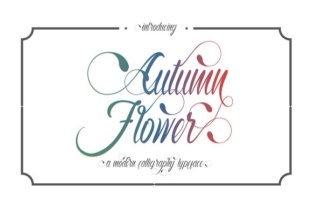
Autumn Flower: A Practical Assessment of a Seasonal Creative Resource
Seasonal design assets often walk a fine line between timely relevance and limited utility. Autumn Flower aims to bridge that gap by offering a curated collection of autumn-inspired floral visuals that serve a range of professional and creative needs. Whether you are a marketer planning a Q4 campaign, a blogger refreshing your site’s seasonal aesthetic, or a small business owner looking to align your brand with autumn themes, this resource merits a closer look. The following assessment examines what Autumn Flower actually delivers, where it excels, and when it may fall short.
What Autumn Flower Offers and Why It Matters
At its core, Autumn Flower is a thoughtfully assembled set of photographic and illustrative assets centered on fall flora. It includes high-resolution images of chrysanthemums, dahlias, marigolds, dried grasses, and other botanicals that peak during the cooler months. What distinguishes it from generic stock imagery is the intentional focus on mood, light, and color temperature that reflects the season’s characteristic warmth and fading light.
The collection is not merely a dump of random autumnal pictures. It is organized around palettes—deep burgundies, burnt oranges, muted golds, and dusty pinks—that can be applied across web design, print materials, social media graphics, and even product packaging. For professionals who value visual consistency, this kind of thematic structure saves hours of hunting through unrelated images.
The practical value becomes clear when you consider the demand for seasonal content. Brands that publish regularly need to refresh their visual language without reinventing their identity each quarter. Autumn Flower provides a cohesive set that can be used as-is or adapted, making it a time-saving tool rather than just a collection of pretty pictures.
Intentional Curation Over Volume
One of the most immediately noticeable aspects of Autumn Flower is the editing process behind it. Instead of offering thousands of generic fall photos, the collection presents a smaller, well-considered set. Each image or illustration has been selected for its compositional strength and its ability to pair with other assets in the series. This is a deliberate choice that prioritizes quality over quantity.
From a workflow perspective, this means less time spent sorting through irrelevant material and more time applying the assets to actual projects. Designers working on mood boards or visual campaigns can pull from Autumn Flower with the confidence that the pieces belong together. This coherence is rare in seasonal asset packs and adds real practical weight to the offering.
Seasonally Accurate Without Being Clichéd
Autumn-themed visuals often lean heavily on pumpkins, falling leaves, and scarecrows, which can feel tired or overly literal. Autumn Flower avoids this trap by focusing on the botanical subtleties of the season. The dried seed heads, late-blooming perennials, and textural grasses capture autumn’s aesthetic without resorting to stale symbols. This makes the collection suitable for brands that need seasonal resonance but want to maintain a sophisticated or understated tone.
For example, a high-end retailer planning a fall lookbook can use the muted floral studies as background textures or accent elements without the imagery screaming “October.” A wellness coach running a mindfulness campaign might use the soft, fading light in the photographs to evoke reflection and transition. The versatility here stems from the restraint of the curation.
Consistent Color Story and Lighting
Another strength is the unified color grading and lighting across the collection. Whether you are pulling a full-bleed hero image or a small botanical detail, the tonal range stays consistent. This is critical for professionals who need to maintain brand integrity across multiple channels. When assets come from different sources, color mismatches can become obvious and distracting. Autumn Flower eliminates that friction by presenting a visually coherent set from start to finish.
Lighting also leans toward golden hour and diffused overcast conditions, which complement the textures of autumnal botanicals. The result is a warm but not oversaturated look that fits both digital and print applications. The images hold up well when scaled, and the details in highlights and shadows remain intact, a sign of proper capture and post-processing.
Practical Application in Campaigns
To test the collection’s practical value, I used a subset of Autumn Flower assets to build a simple email newsletter for a hypothetical lifestyle brand. The goal was to announce a limited-time seasonal product line. Using one hero image—a close-up of dried hydrangea in muted copper tones—paired with a textural background from the same set, the build took roughly half the usual design time. The absence of need for additional color correction or asset hunting made the process noticeably faster.
For social media, the collection’s square-cropped compositions and vertical-oriented floral portraits fit comfortably into feeds and stories. The images required minimal resizing or retouching, which is a tangible benefit for teams working under tight deadlines. For a real-world scenario like holiday prepping, where speed and quality both matter, this kind of ready-to-use asset is genuinely helpful.
Flexibility Across Formats
Autumn Flower assets work in both digital and print contexts. I tried a few files in a mock product catalog, and the print output retained the subtle color variations and fine botanical details. The collection includes enough variety in composition—tight macro shots, wider arrangements, isolated silhouettes—that you can use it across banners, postcards, website headers, and even packaging mockups without repeating the same look.
That said, the collection is not infinitely flexible. If your brand requires neon v14 brights or stark minimalism, these assets will not serve that purpose. The aesthetic is distinctly warm, organic, and earthy. It is not a universal solution nor does it pretend to be. Understanding its boundaries is part of using it effectively.
Quality, Reliability, and Presentation
File quality is consistent across the board. Images are delivered at resolutions suitable for both screen and print use, with no visible compression artifacts or softness. The illustrations, where included, are vector-based in scalable formats, which adds practical value for designers who need to resize elements without losing clarity. Metadata is clean, with relevant keywords embedded, making file organization straightforward.
Presentation of the collection itself is also well handled. Files are logically grouped by plant species and color tone, and the naming convention is descriptive enough that you can locate assets without opening every file. This attention to structure reflects an understanding of how busy professionals actually work. It strips away friction and lets you focus on creative execution.
On the reliability side, the collection downloads reliably and unpacks without corrupted files. Licensing terms are clearly stated and standard for commercial use, so small business owners and freelancers can use the assets without legal ambiguity. This is an underappreciated but essential aspect of any creative resource.
Who Benefits Most from Autumn Flower
Based on its design and strengths, Autumn Flower is most valuable for professionals who regularly produce seasonal content but lack the time or budget for custom photography or illustration. This includes:
- Marketing teams preparing autumn or winter campaigns that need cohesive visual language quickly.
- Content creators and bloggers who refresh their site imagery each season and need warm, understated botanical visuals.
- Small business owners in retail, hospitality, or wellness who want to align their brand with seasonal themes without hiring a photographer.
- Freelance designers working with multiple clients who need a reliable source of thematic assets that can be adapted across different brand styles.
- Educators and publishers creating seasonal content for newsletters, presentations, or online materials that require high-quality, non-generic imagery.
For these users, Autumn Flower serves as a practical shortcut. It reduces the overhead of sourcing, editing, and coordinating visual assets, allowing more attention to be directed toward message strategy and audience engagement.
Practical Limitations and Honest Considerations
No resource is without constraints, and Autumn Flower has a few worth noting. The collection is explicitly seasonal, so its direct utility outside autumn and early winter is limited. If you need evergreen botanical imagery or visuals that span multiple seasons, this set will not cover that ground. It is best treated as a targeted seasonal toolkit rather than a general-purpose library.
The thematic focus on dried flowers, late blooms, and muted tones also means the aesthetic leans nostalgic and soft. Brands with a very clean, modern, or high-contrast visual identity may find the collection too subdued. It is worth reviewing sample files before purchasing to confirm the style aligns with your existing brand guidelines.
Additionally, the collection is relatively curated, which is a strength, but also means the total number of assets is lower than what you might find in a larger stock library. If your project requires dozens of different autumn floral images without repetition, you may need to supplement with other resources. However, for most focused campaigns, the selection is sufficient.
Long-Term Value and Reusability
One question worth asking is whether a seasonal asset pack offers lasting value beyond its immediate use. Autumn Flower retains relevance because autumn itself recurs annually. The same assets can be reused across multiple seasons with fresh layouts, typography, or color overlays. A photograph of dried grasses used in a 2024 social campaign can feature just as effectively in a 2025 newsletter when paired with updated branding.
For professionals who build seasonal libraries over time, this kind of collection becomes part of a recurring toolkit rather than a one-time purchase. The consistent color story also means assets from previous years can be layered with new ones, maintaining a coherent visual thread across years of content. This is where the long-term value lies: not in novelty, but in reliability.
Final Observations
Autumn Flower delivers exactly what it sets out to offer: a focused, high-quality set of autumn floral assets that streamline creative workflows and provide visual consistency. It is not a sprawling stock library, nor is it trying to be. Its value rests in the thoughtfulness of its curation, the technical quality of its files, and the practical time savings it offers to professionals who produce seasonal content regularly.
If your work involves any degree of seasonal branding, autumn-themed campaigns, or botanical-inspired design during the fall months, this collection is worth considering. It respects your time by removing friction and lets you concentrate on the creative decisions that actually matter. For the audience it targets, Autumn Flower is a resource that does exactly what it promises, without unnecessary ornamentation.