35 Hand Drawn Logos: Creative Inspiration
Hand drawn logos bring something that polished vector designs sometimes lack: warmth, personality, and a sense of human touch. Whether you are starting a business, refreshing a brand, or exploring a new creative direction, the concept of working with a collection of such designs can open up possibilities you might not have considered. A set of 35 hand drawn logos offers more than just quantity; it provides a range of styles, moods, and applications that can suit everything from a coffee shop menu to a freelance portfolio.
Most people think of logos as final, fixed assets. But hand drawn logos work differently. They carry imperfections that read as authenticity. They feel approachable, often whimsical, and can make a brand feel instantly more relatable. This is why many small business owners, creators, and even educators are turning to this style rather than relying on sterile, corporate-looking alternatives.
What Exactly Are These 35 Hand Drawn Logos?
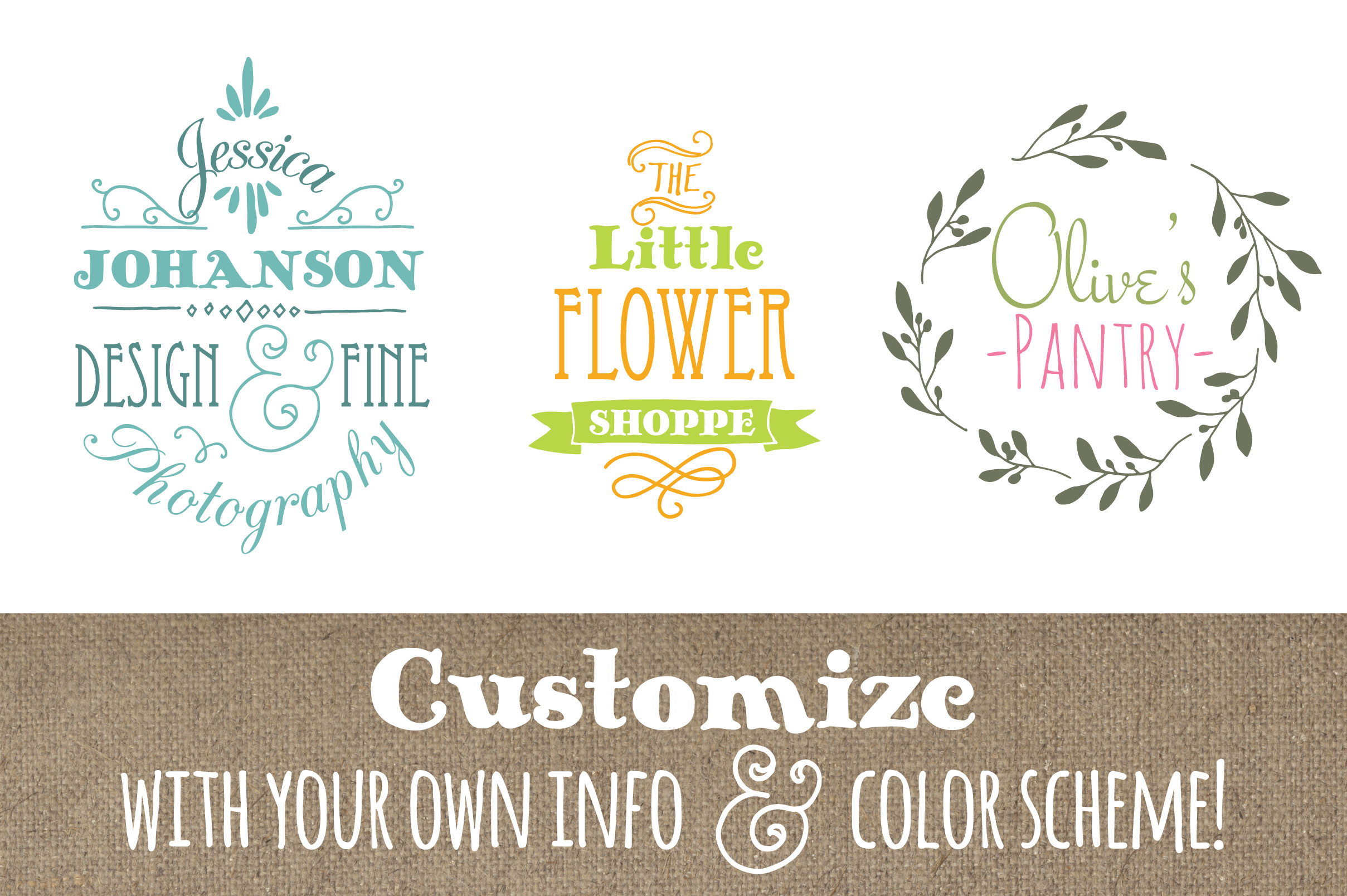
At its core, a collection of 35 hand drawn logos is a curated set of logo concepts that have been created by hand rather than through digital vectors alone. Each one typically starts with pencil or pen on paper, preserving the natural texture and slight irregularities that come from real drawing. These designs are then often scanned and digitized, so you can use them in both print and web projects. The collection might include logos for different industries, such as cafes, bakeries, boutiques, creative agencies, and personal brands. Some designs lean toward lettering and typography, while others focus on icons or mascots.
What makes these sets valuable is the variety. Instead of commissioning a single logo, you get multiple options that you can adapt or use as inspiration. For a freelancer or a small business owner on a budget, this can be a practical starting point. For a professional designer, it can serve as a springboard for new ideas or as a resource to show clients different hand drawn aesthetics.
Why Different Audiences Care About Hand Drawn Logos
Inclusivity matters here. A hand drawn logo collection is not just for one type of person. Someone who has never designed a logo before might use it differently than an experienced creative. Let’s break this down by how different groups might approach this resource.
Small Business Owners and Entrepreneurs
If you run a small business, your budget for branding is often tight. You need something that looks professional but does not require a long back-and-forth with a designer. A set of 35 hand drawn logos can be exactly what you need to fast-track your visual identity. You can browse through the collection, find a style that matches your brand personality, and use it directly or with minimal tweaks. For example, if you run a neighborhood café, a hand drawn logo with a rough, textured coffee cup illustration can communicate warmth and local charm far better than a generic clip art design.
The cost savings are significant. Commissioning a custom hand drawn logo from a professional can run into hundreds of dollars. A collection like this gives you multiple options for a fraction of that. The trade-off is that you may need to adapt the logo slightly to fit your specific name or industry, but that is often manageable with basic editing skills.
Graphic Designers and Creative Professionals
For designers, time is money. Having a curated set of hand drawn logos can speed up your workflow when you need to present multiple concepts to a client. Instead of starting each sketch from scratch, you can pull from the collection to show different directions. You can also use the designs as a base layer, trace over them, or combine elements to create something entirely new. This is especially useful when working on rebranding projects where the client wants a handcrafted feel but needs to see several options quickly.
Another angle is inspiration. Even if you never use the logos directly, studying the line quality, composition, and balance in a hand drawn set can improve your own drawing skills. You might notice how the artist handles negative space or uses varying line weights to create depth. That kind of learning is hard to get from polished vector stock graphics.
Beginners and Hobbyists
If you are new to logo design or just exploring the idea of branding for a personal project, a hand drawn logo collection is a low-risk learning tool. You can practice tracing the designs to understand form and proportion. You can experiment with digital colorization without worrying about ruining an original piece. Many hobbyists start by taking a hand drawn logo, scanning it, and then adding their own twist in a free tool like GIMP or Canva. This hands-on approach builds confidence.
For someone who has never created a logo before, the collection also removes the overwhelm of starting from a blank page. You see 35 possible directions, and that variety can spark ideas about what your own logo might look like. You might combine the lettering style from one logo with the icon from another.
Educators and Bloggers
Teachers and workshop leaders often need visual examples to show students what hand drawn work looks like compared to digital work. A collection of 35 hand drawn logos provides a clear, tangible reference. You can use them in presentations to discuss line art, texture, and the value of imperfection. For a blogging audience, you can create posts about how to choose a logo style, how to adapt hand drawn logos for different mediums, or even how to digitize them. The collection becomes a teaching asset that you can point to without worrying about copyright issues as long as you follow the license terms.
Different Priorities: What Matters Most?
Not everyone evaluates a hand drawn logo collection the same way. Your priorities depend on your project and skill level.
- Ease of use: Beginners want logos that are ready to use with minimal editing. Look for sets that include transparent backgrounds or vector formats.
- Cost: For entrepreneurs on a shoestring budget, the upfront price of the collection matters more than having a huge variety of options.
- Quality: Designers care about line consistency, originality, and whether the drawings look amateur or refined. A good set should show clear artistic skill.
- Flexibility: Marketers and bloggers need logos that work in different contexts, from social media headers to printed flyers. A versatile set includes both simple and detailed designs.
- Speed: If you need a logo by tomorrow, a collection that is already digitized and formatted beats starting from scratch every time.
- Long-term usefulness: Professionals might want logos that can be resold or used across multiple client projects, depending on the license.
When you assess a set of 35 hand drawn logos, consider which of these priorities matter most for your specific situation. A designer might accept a higher price for exclusive, high-quality line work, while a hobbyist might prefer a cheaper set that is easier to edit.
Practical Examples Across Different Reader Types
Let’s look at a few concrete scenarios to make this more tangible.
Example 1: A baker starting a home business. You need a logo for your packaging and social media. You find a hand drawn set that includes a cupcake icon and a script style. You choose one, add your bakery name in a similar font, and have a logo ready in an hour. The collection saves you from paying a designer and gives you a cohesive look that matches your handmade brand.
Example 2: A freelance designer working with a local brewery. The brewery wants a logo that feels rustic and authentic. You browse your hand drawn collection and find a hop illustration and a rough slab serif lettering piece. You combine them, add texture, and present three variations to the client within a day. The collection helps you deliver quickly while still offering a custom feel.
Example 3: A teacher running a high school graphic design class. You use the collection to demonstrate how hand drawn logos differ from digital ones. Students pick a logo from the set and redraw it in their own style. The exercise teaches observation and reproduction skills without requiring the students to invent something from scratch.
Example 4: A hobbyist creating a logo for their personal blog. You want something that looks artistic but you have no formal design training. You pick a hand drawn logo from the collection that matches the tone of your blog, colorize it in a free app, and use it as your header. The result looks intentional and unique even though you did not draw it yourself.
Is a Hand Drawn Logo Collection Right for You?
That depends on your goals and how comfortable you are with customizing existing resources. If you need a completely unique logo that nobody else has, a premade collection may not satisfy you unless you heavily modify the design. But if you value speed, affordability, and variety, a set of 35 hand drawn logos is a practical choice. It matters less whether you are a beginner or a seasoned professional; what matters is whether the style aligns with your vision.
Look for collections that offer both high-resolution scans and editable vector files. This gives you flexibility across different uses. Also check the license terms. Some collections allow commercial use without attribution, while others have restrictions. Knowing this upfront prevents headaches later.
If you are still unsure, you can start with a smaller set or even a single hand drawn logo mockup to test whether the style fits your brand. Many people find that the organic, imperfect quality of hand drawn art resonates more with their audience than a perfectly symmetrical digital logo. It is that human touch that often makes a brand memorable.
In a crowded market, standing out is getting harder. Hand drawn logos offer a way to differentiate without needing a massive marketing budget or a full design agency. Whether you are a business owner, a creative, an educator, or simply someone who appreciates handmade aesthetics, a collection of 35 hand drawn logos can be more than just a download. It can be the starting point for a visual identity that feels genuinely yours.